
How to Choose the Right Pest Control Sprayer for Your Needs
Posted by Sprayer Supplies Team on 10th Apr 2026
When it comes to pest control, the right sprayer can make the difference between a job done efficiently and one that costs you time, money, and frustration. Whether you're a professional pest control operator, grounds maintenance crew, or property manager, skid-mounted pest control sprayers offer the durability, capacity and performance needed for consistent, reliable results.
But not all sprayers are created equal.
From tank size and pump type to pressure capability and application method, choosing the right unit depends on your workload, environment, and application requirements. In this guide, we’ll break down the key factors to consider and help you identify the best solution for your operation.
Why Skid-Mounted Pest Control Sprayers Are the Industry Standard
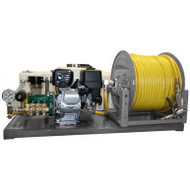
Skid-mounted sprayers are designed to deliver professional-grade performance in demanding environments. These units are commonly installed in pickup trucks, vans, trailers or UTVs and provide the mobility and capacity needed for residential, commercial and agricultural pest control operations.
Most professional pest control skid sprayers include:
- High-capacity tanks (typically 50–100 gallons)
- Engine-driven or electric pumps
- High-pressure spray guns
- Hose reels with extended reach
- Durable frames built for daily use
These features allow operators to cover more ground, maintain consistent pressure and handle a wide range of pest control applications efficiently. Many professional units use diaphragm or piston pumps capable of delivering high pressure for tree, turf and perimeter treatments.
Key Factors to Consider When Choosing a Pest Control Skid Sprayer
1. Tank Size: Match Capacity to Your Workload
Tank size directly affects productivity and refill frequency.
Typical ranges include:
- 50 gallons – Ideal for routine residential or light commercial work
- 60 gallons – A versatile option for daily service routes
- 100+ gallons – Best for large properties or extended operations
For example, a 50-gallon unit provides a balance between capacity and maneuverability while still delivering professional performance for pest control applications.
2. Pump Type: The Heart of Your Sprayer
The pump determines performance, pressure, and durability.
Common pump types include:
Diaphragm Pumps
Best for general pest control and chemical compatibility.
Piston Pumps
Best for high-pressure applications such as:
- Tree spraying
- Structural pest control
- Long-distance spraying
Some professional piston pump sprayers can deliver up to 570 PSI and high flow rates, making them ideal for demanding applications.
3. Pressure and Flow Rate
Pressure and flow rate determine how effectively chemicals are applied.
Typical ranges:
- 200–400 PSI – General pest control
- 400–600 PSI – Professional and commercial applications
- High flow rates – Faster coverage and productivity
Higher pressure allows operators to reach elevated areas and apply treatments more efficiently.
4. Hose Length and Reel Quality
Your hose system directly impacts productivity.
Look for:
- 200–300 feet of hose
- Heavy-duty reel construction
- Smooth rewind operation
- Chemical-resistant materials
Many professional skid sprayers include hose reels capable of supporting extended reach, reducing repositioning time during applications.
Premium Tier: Built for Daily Professional Use
Rozell RSM50 50-Gallon Pest Control Skid Sprayer
Best For
- Professional pest control companies
- Municipal and government operations
- High-volume service routes
- Daily commercial use
Why It Stands Out
- Commercial-duty piston pump
- Reliable Honda engine
- High-pressure performance
- Long service life
Everyday Use: Reliable Performance at a Practical Price
Master Manufacturing 60-Gallon Pest Control Skid Sprayer
This unit delivers excellent performance for contractors, property managers, and maintenance crews who need reliability without the premium price tag.
Best For
- Small pest control businesses
- Property maintenance teams
- Facilities management
- Agricultural and grounds care
Why It Works
- Balanced capacity and portability
- Easy installation in trucks or trailers
- Cost-effective operation
- Dependable daily performance
Specialized Applications: When You Need More Than a Standard Sprayer
A1 Mist Sprayers for Targeted and Large-Area Coverage
Mist sprayers are designed for situations where traditional spray patterns aren't enough. These units atomize liquid into fine droplets, allowing better coverage and penetration into dense vegetation or large treatment areas.
Ideal Applications
- Mosquito control
- Vegetation management
- Agricultural pest control
- Large property treatments
- Tree and canopy spraying
Choosing the Right Sprayer for Your Operation
Here’s a simple way to match equipment to your needs.
| If You Need | Recommended Solution |
|---|---|
| Daily professional pest control | Premium skid sprayer |
| Routine residential service routes | Standard skid sprayer |
| Large-area or mosquito control | Mist sprayer |
| High-pressure tree spraying | Piston pump sprayer |
| Mobility and flexibility | Mid-size skid unit |
The Bottom Line
The best pest control sprayer is the one that matches your workload, environment, and performance requirements.
Choose based on:
- Capacity
- Pump performance
- Pressure capability
- Durability
- Application type
Skid-mounted pest control sprayers remain the most reliable solution for professional operations because they combine mobility, power and efficiency in a single system.
Whether you're running daily service routes, managing facilities or handling large-scale pest control jobs, selecting the right equipment ensures consistent results and long-term reliability.